
The Future of Technology, Maintenance, and Reliability
What does the future hold for technology, maintenance, and reliability (TMR)?
None of us can be certain; however, many are tasked with trying to guess and plan for the future of our companies or customers. How do we navigate this objective and stay on track in such a dynamic and rapidly changing climate?
Data, IoT, Cloud Computing, and Artificial Intelligence (AI) will drive much of future innovation. Data is currently measured in Zettabytes (ZB). A ZB is equal to over one-trillion gigabytes or 1,180,591,620,717,411,303,424 bytes. To better understand the explosive nature of data usage, let’s look at some numbers and do some math.
- Connected Devices (Note 1)
- In 2019 there were 8.6B connected devices
- In 2025 there were 25B connected devices
- In 2030 there are projected to be 50B connected devices (Over 5 for every person on earth)
- Data Growth overtime (Note 1)
- 2010: 2 ZB
- 2020: 64 ZB
- 2024: ~149 ZB
- 2025: ~173 to 181 ZB
- 2026 (Current Year): ~221 to 240 ZB
- 2029 (Projected): ~527 ZB
- 2030 (Projected: ~660 ZB
This rapid increase in connected devices, data generation, and the desire to analyze data generation has led to increased need for data storage and data centers.
- Current Data Centers (Note 1)
- 11,400 data centers globally
- 4600 data centers in North America
- More than 1500 Data Centers in development/construction in North America
- Virgina, Texas, and California have the most current operational data centers
- Virginia, Texas, and Georgia lead in the most planned data centers
- Electrical Consumption forecasted to increase by 165% by 2030
- Data center investment expected to exceed $7 trillion
- AI
- Today, CIOs report that 81% of IT work is done by humans without AI.
- By 2030, Gartner expects that 0% of IT work will be done by humans without AI, 75% will be done by humans augmented with AI and 25% will be done by AI alone.
- AI – Example of current iterations and information:
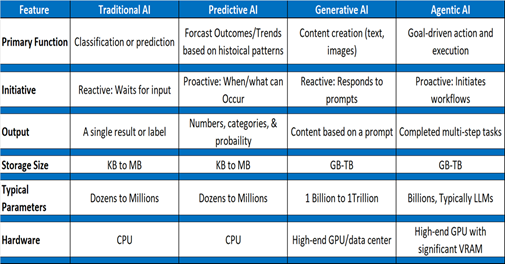
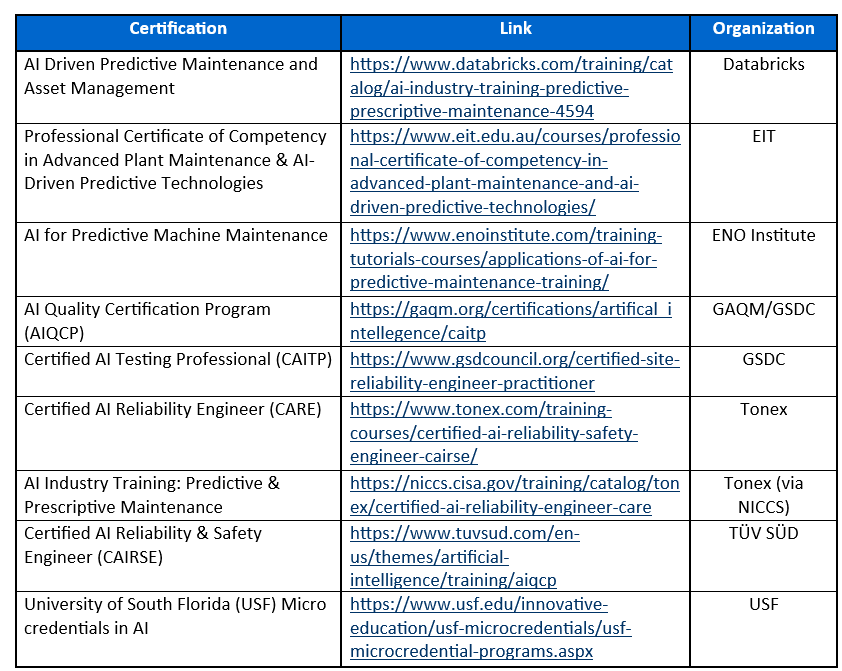
How do you stay current or catch up on this innovation train as it barrels down the track? It will take work. As a starting point, do your research. Educate yourself on the different views/opinions/options available. Try and discern the most credible choices and information. Also, remember you are not an expert in all matters; therefore, ensure you have the best available network and resources at your disposal. What does this mean? Put in the effort to grow your network of experts and resources. This may take you out of your comfort zone but there are many ways to do it. Simple first step, grow business connections via LinkedIn and networking. Next, take courses in areas where you feel your knowledge is deficient. There are a multitude of companies in the maintenance and reliability world who offer frameworks, books, knowledge networks, and certifications. Examples include The Reliability Academy, ReliabilityX, Reliability Leadership Institute (RLI), Life Cycle Engineering (LCE), Society for Maintenance and Reliability (SMRP), and more. Align with the one(s) that you find most effective for you and your company. Many more companies,programs and certifications exist, so create your own list of available resources. Take the initiative to get certified. Figure #2- lists certifications specific to the AI area.
There are great organizations already doing the leg work for you when it comes to forecasting what our industries are expecting over the next several years. Gartner and UpKeep are two examples. Both provide webinars and documentation on their vision of what the future holds and how you can be proactive in your approach from where you are today to where you are striving to be in the future. Figures #3 & #4 show examples from Gartner and UpKeep.
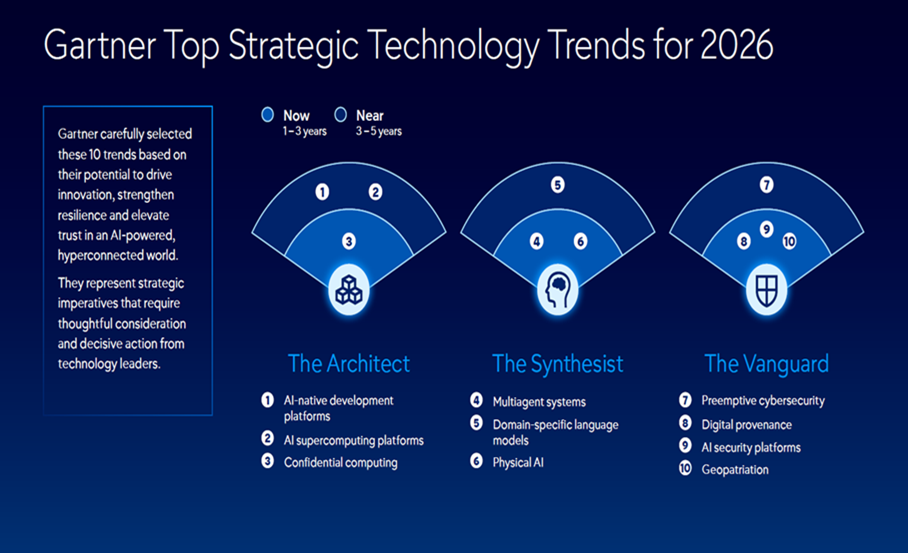
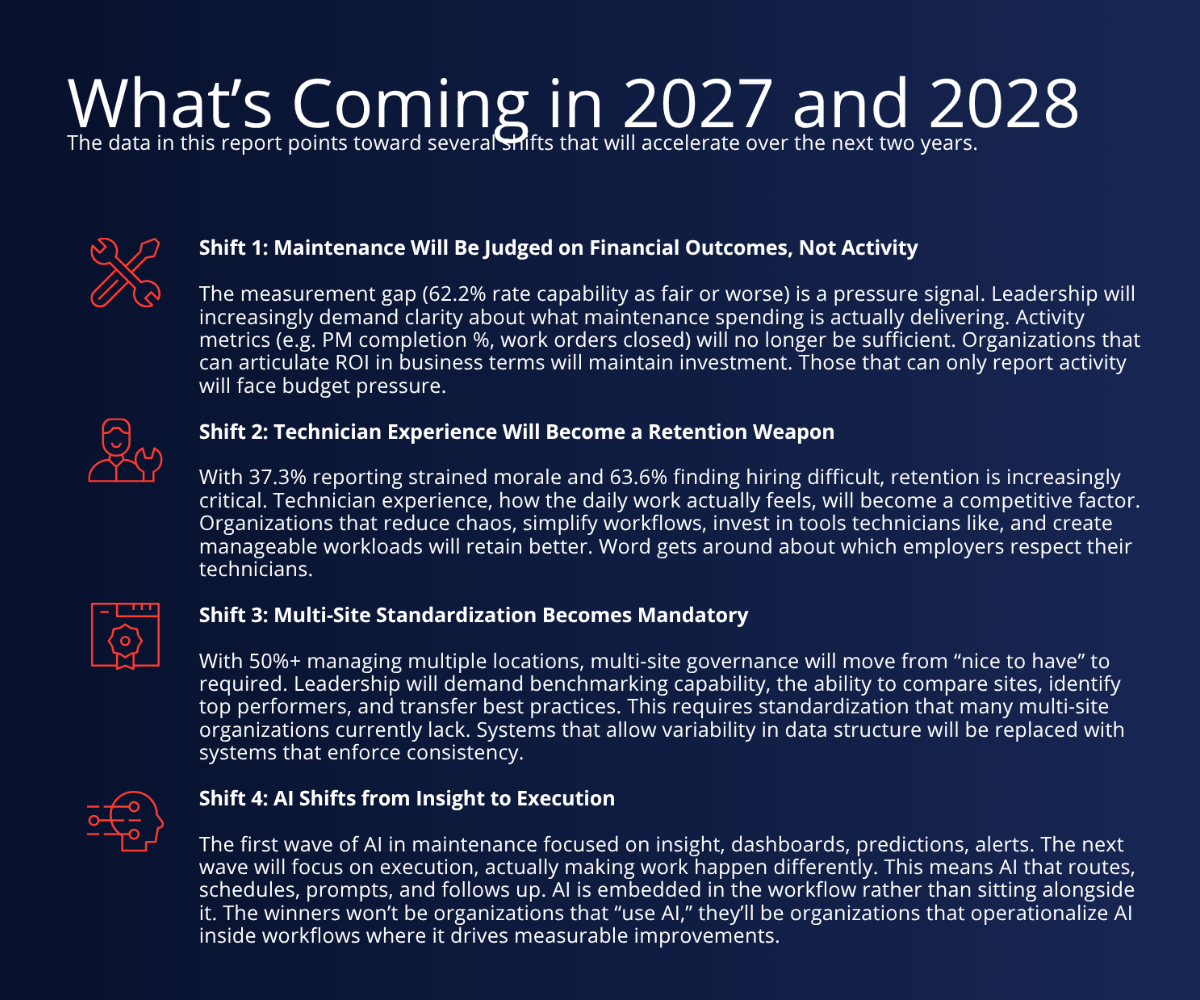
Aside from everything already mentioned, how does knowing the innovation roadmap impact you and your company’s current operations? As the above numbers indicate, it is an imperative and integral part of the one-three-five year plan. Starting with an audit or assessment to understand your current state and then determining the steps needed to achieve the upcoming milestone(s). Experts agree that most companies have plenty of data; however, the data quality is poor. In order to implement the innovation steps planned, data must be clean and systems ready. This is accomplished by aligning the data cleanup and establishing cloud readiness. Specific steps include (Note 6):
- Minimize unnecessary historical data unless it is tied to compliance
- Enforce relationships between parent and child assets
- Standardize values used in filters, KPIs, and mobile apps
- Reduce “data noise” that can pollute dashboards
- Maintain full auditability of transformations for future traceability
- Implement and adhere to a data governance process
The next steps are to make sure the company’s current technology, specifically the CMMS system, is set up and configured to generate the data necessary to successfully drive AI. Figure #5 exemplifies going from
Machine History to
AI in Maintenance.
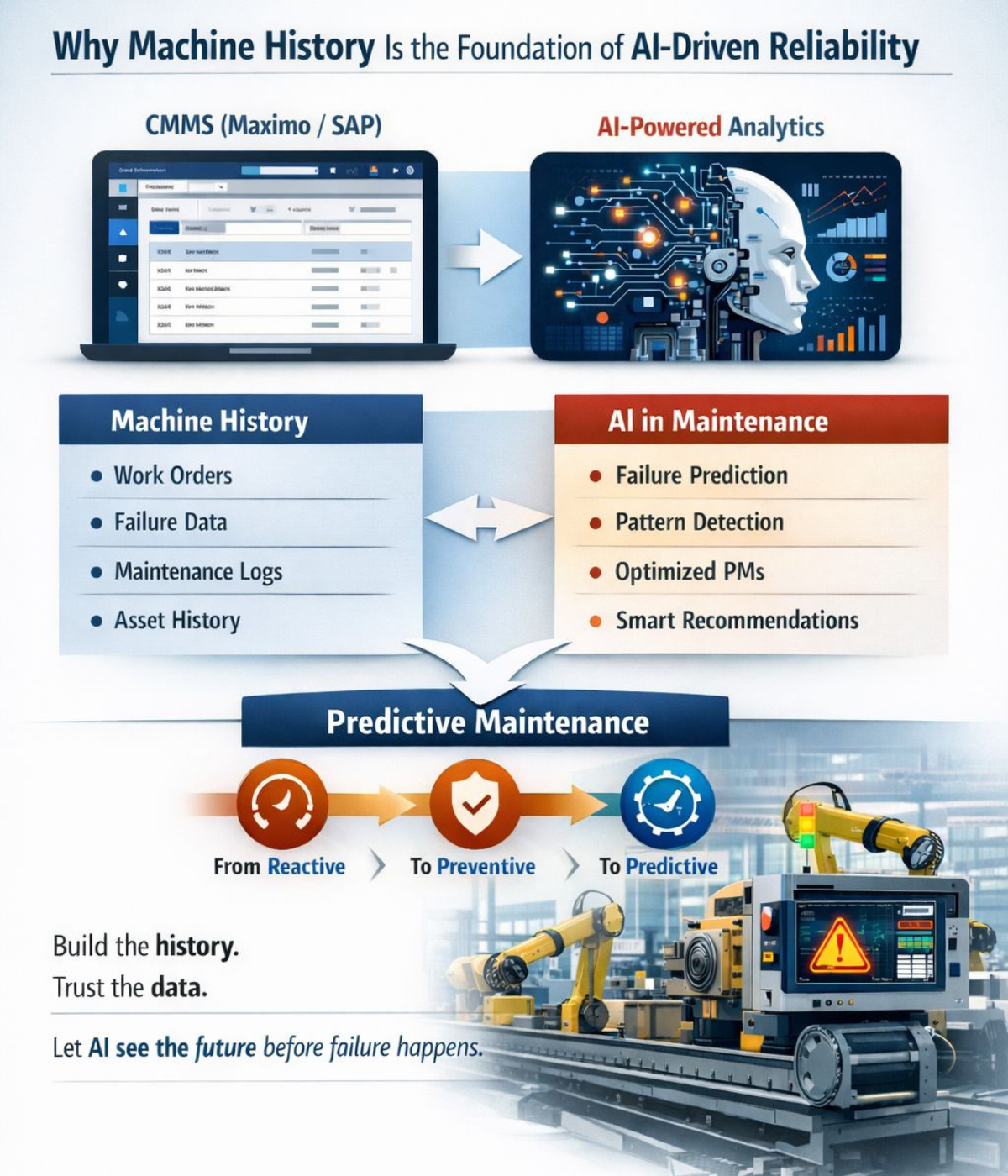
Implementing AI in areas where the company can achieve some quick wins is the next step. Figure #6 shows applications where quick wins are possible.
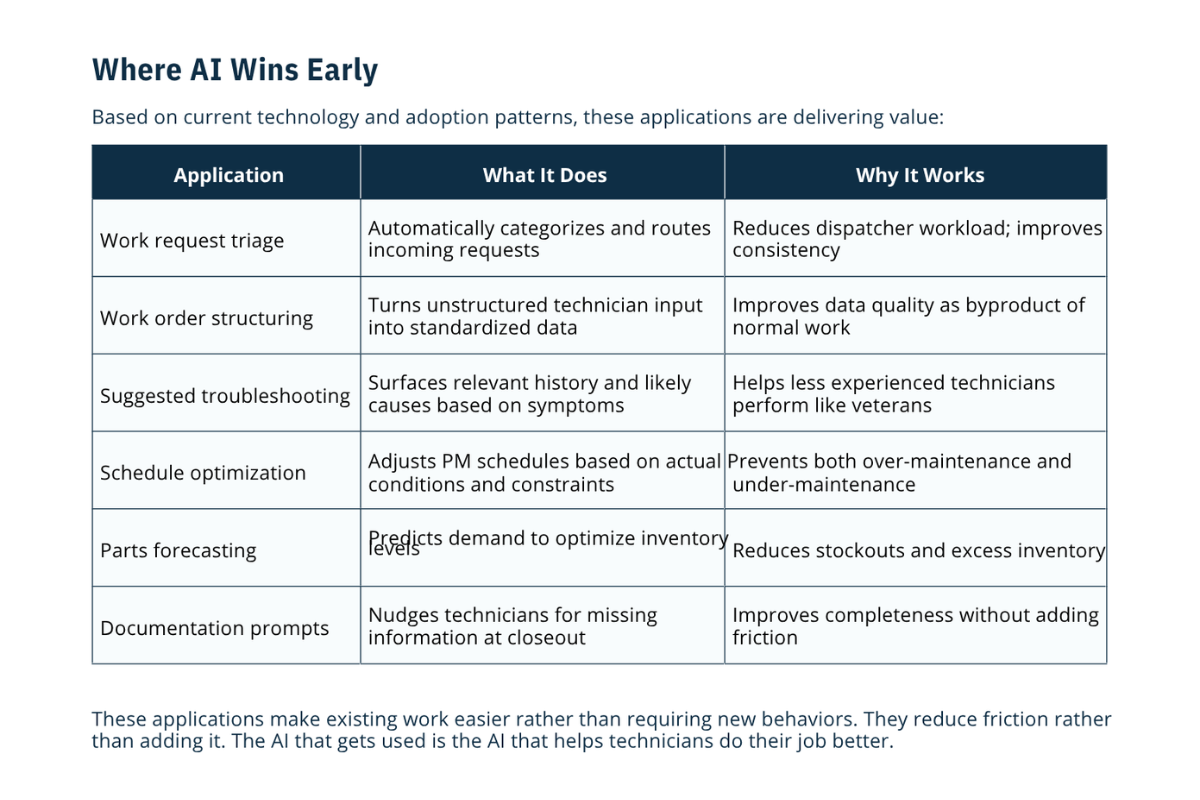
The final step in this early process is to build on the applications and controls that are currently in place. Instill a culture of continuous improvement on these fundamentals as you dive deeper into future innovation. Make sure to allow for enough flexibility in plans so that adjustments can be made as things change over time.
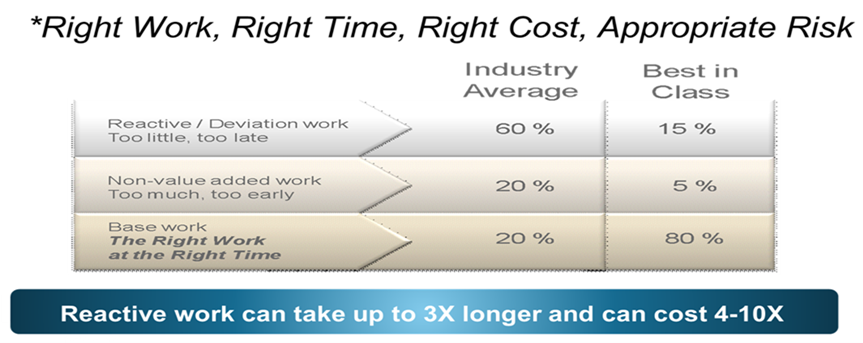
To remain successful during such a rapidly changing environment, companies need to be as proactive as possible. They will need to do the right work at the right time, cost, and with the appropriate risk. Since businesses are in business to make money both safely and ethically, the current speed of technology change can leave many uncertain about the decisions and products available to accomplish their objectives. Russ Parrish Consulting strives to stay abreast of these changes and would welcome the opportunity to guide your company in these decisions. Good luck and be ready to adapt in the future as things we have not and are not thinking about today become a reality.
Notes
- Pew Research Center various articles
- Graphic from Gartner Presentations (Various)
- Various Instructors (2025), University of South Florida, Gen AI in Action: Impact and Possibilities Course. Taken November 2025 – December 2025
- Graphic from UpKeep’s State of Maintenance 2026 Report
- Information from SMRP Benchmarking
- Information provided by Erin Pierce, Don’t Move the Mess: Cleaning Legacy Data Before Your Move to MAS, 10/8/25
- Google AI Search
- LinkedIn Graphic
Common Sense Reliability